
Why SimCity 4 Is One of the Most Moddable Games Ever

Why SimCity 4 Is One of the Most Moddable Games Ever

SimCity 4 is one of the genre-defining games built by Maxis and released in 2003. The game still has a huge player base and still receives transformational mods 23 years after release. There are communities like SimTropolis, and SC4Evermore which are still thriving and focus on modding the game, showcasing cities, sharing content etc.
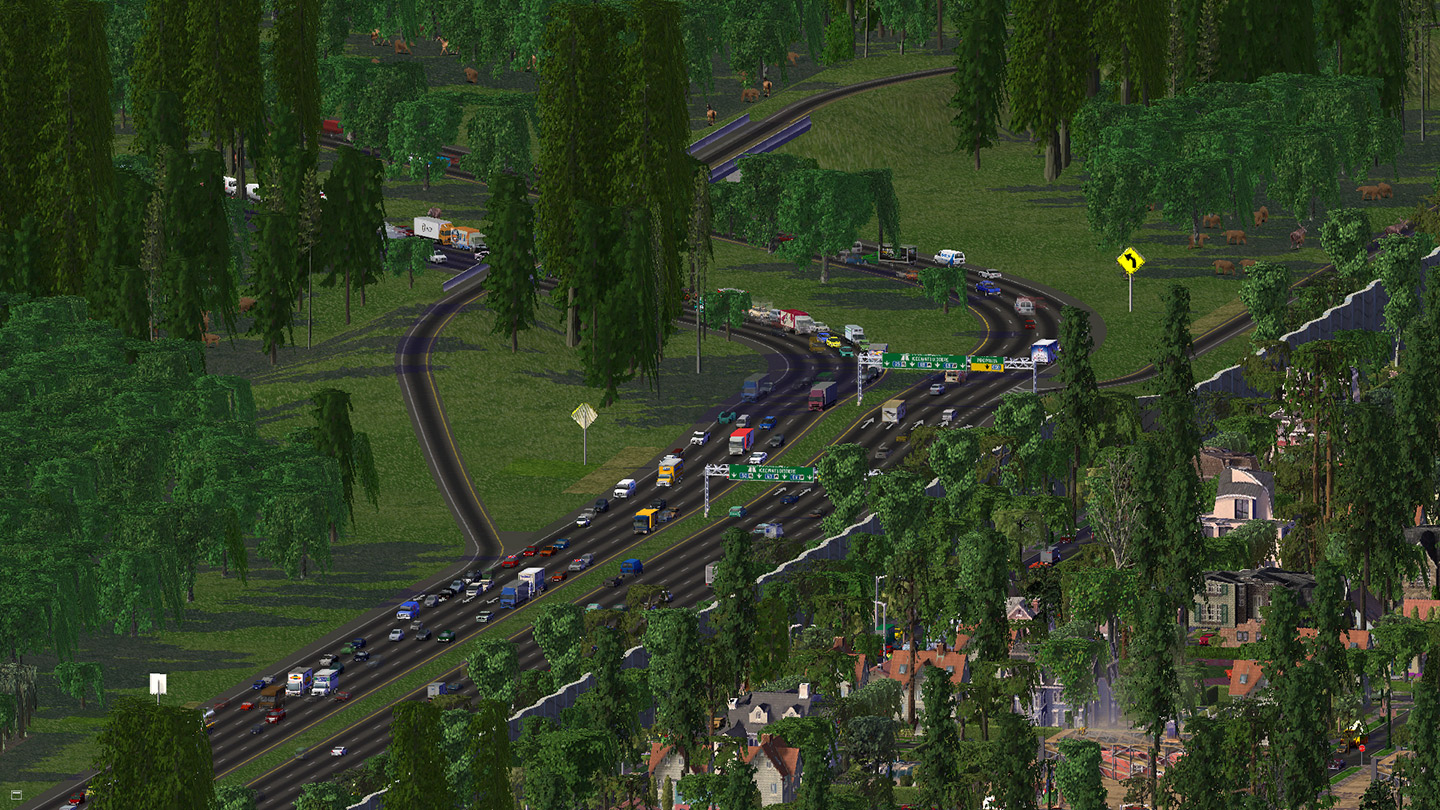
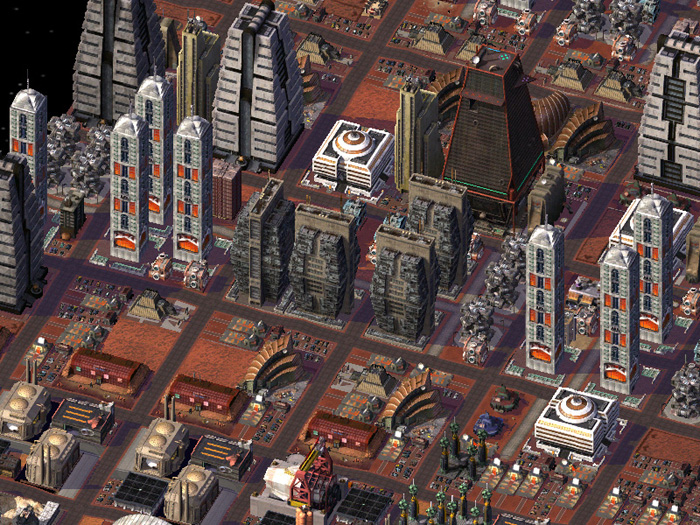
Typical game mods are usually simple additions like skins, textures, adding objects, tweaking some minor mechanics, or cheats that effect the user's gameplay. SimCity 4 has mods that overhaul the entire game, such as; transforming the fixed camera view into a 3d free-movement camera, multiplayer regions, overhauling zoning behaviour, automata, rewriting the traffic simulator, pathfinding etc.

Why is SimCity 4 so moddable?
It was partly by design and mostly by accident and architecture that led to SC4 being so unusually customisable.
Several factors came together to allow this:
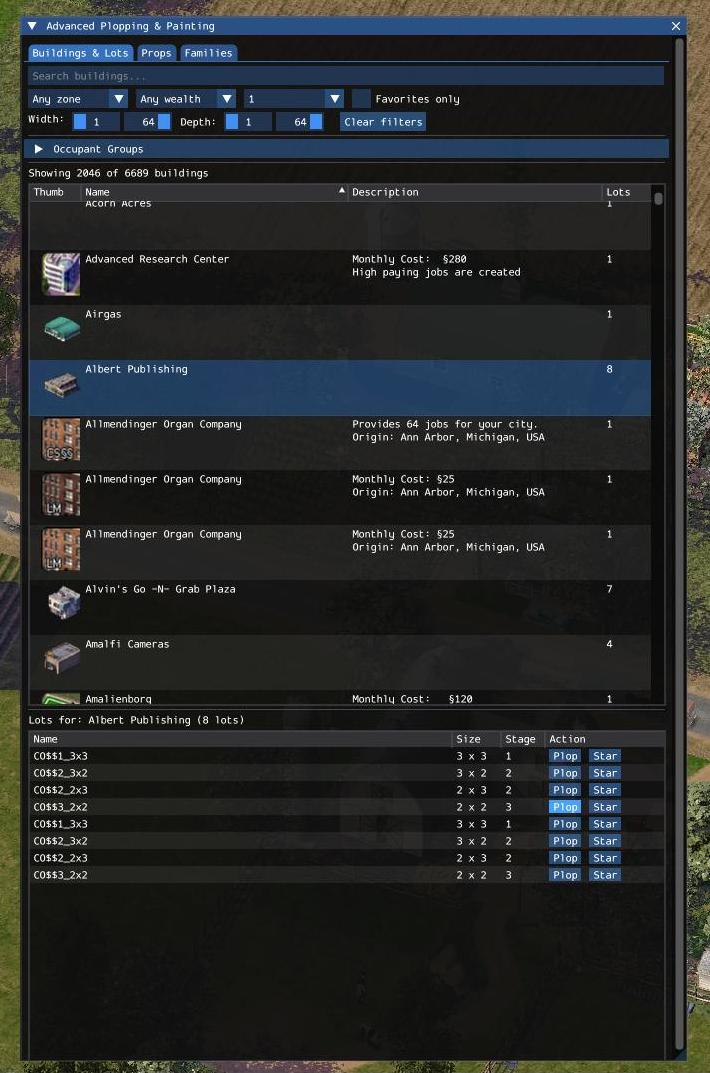
Maxis initially shipped development tools including Lot Editor, and Building Architect Tool (BAT).
BAT let people create new buildings in Autodesk gmax, and eventually led to the community released BAT4Max which led to players adding thousands of custom buildings and lots.Almost all game data lives outside the executable
Maxis stored an enormous amount of game logic in external DAT files, rather than hardcoding it into the game executable.
Things like the following are all data-driven:Building properties
Transit network definitions
Zoning behavior
Exemplars (configuration objects)
Automata
Lots
Rewards
Simulation parameters
When the modding community figured out the file formats they realised they could change almost everything without modifying the game executable.
The "Exemplar" system is incredibly flexible
SC4 uses objects called Exemplars. As an example, a building would look like this:Building { Pollution = 15 Jobs = 250 GrowthStage = 6 FireRisk = 18 }Every object/exemplar is mostly just a collection of properties which the game loads at startup. When the game loads a modified exemplar, it reads the modified one instead of the original. Newer DLL based mods allow you override individual properties rather than replacing entire files, which is a much more powerful design.
Package loading is additive
The Plugins folder works in a similar way to most modern game mod loaders.
For example, the game loads:SimCity_1.dat
SimCity_2.dat
...
Plugins/
If multiple plugins/objects have the same IDs, the last loaded versions win which allows room for thousands of mods to exist alongside eachother.
This is also much cleaner than games that require overwriting original assets.The file formats were reverse engineered
Maxis didn't documented everything but the community on Simtropolis and SC4Devotion spent years reverse-engineering out the following:
DBPF archive format
Exemplars
RUL files
Path files
Textures
Transit mechanics
Eventually tools like Reader, SC4Tool, iLive Reader, PIM-X were created by modders, and once these existed almost anyone could edit the game.
The game exposes many modifiable values
Unlike many games where values are hard-coded constants like
if (pollution > 100) { do this ...}, the values are stored externally in files outside of the SimCity 4 executable.For example:
Commute limits
Desirability
Pollution effects
Taxes
Growth rates
Wealth effects
etc.
All of these can be tuned since they aren't hidden away in the game executable. That's why mods like the Network Addon Mod (NAM) could re-balance the entire transportation system.
SimCity 4's RUL system is expoitable
This is probably one of the best examples in SC4 modding, because many of the game's mechanics like roads, rails and highways are controlled by RUL (Rule) files.
These rules tell the game:
When pieces connect
Which texture to use
How intersections behave
The modding community discovered they could write enormous new rule sets, and that's how mods like NAM added features such as draggable avenues, FLEX pieces, RHW (Real Highway), elevated rail, new intersections, roundabouts etc. NAM takse full advantage of the data that the game engine reads.
The renderer was asset-driven
Buildings are mainly collections of FSH textures, S3D models and exemplars, and anyone could create new ones which made custom architecture surprisingly easy.
Was Maxis intending this?
Maxis fully intended on providing modding opportunities for the game, but not to this extent. Maxis provided official tools for modifiying:
Custom buildings
BAT creations
Custom lots
However, they probably weren't expecting modifications being made to:
Re-write the traffic simulator
Re-design the highway system
Change path-finding
Create new transportation networks
Reverse engineer DBPF
Patch the executable
Build hundreds of interconnected plugins
SimCity 4 still has an enormous player base, and it's longevity owes a lot to the talent of its modding community.

SimCity 4 (base game)
Credit: CheeseJuust |

SimCity 4 (with mods)
Credit: bhmantan |
Why don't more games end up like this?
Many modern games aren't as open to deep modding because they have:
Gameplay logic compiled into native code rather than external data
Multiplayer and anti-cheat concerns that discourage modding
Complex engines that are harder to reverse engineer
Frequent updates that break mods
Ironically the majority of new games use heavily data-driven engines internally, but the data is packaged, encrypted, or validated in ways that make community editing much harder than SC4's open approach.

Credit: mitsos
The perfect storm for modding
SimCity 4 hit a rare sweet spot. It was built with a massively data-driven architecture to support content creation and tuning, shipped with official creation tools, loaded assets in an override-friendly way, and contained enough interconnected systems to give modders endless room for experimentation and expansion.
This gave SimCity 4's dedicated community decades of opportunities to uncover and extend the game’s capabilities, which is why more than 20 years later it's still receiving transformational mods rather than just cosmetic additions.
SimCity 4 Resources

|
SimtropolisDevoted SimCity community, mods and tools |

|
SC4 EvermoreSpecialist hub, SC4 Devotion successor, devoted community, mods and tools |

|
SC4 DevotionThe preserved forums of one of SimCity 4's most important modding communities. |


2 Comments
Dima
22 August 2026
Very interesting! Does this extent to the Mac OS X version of Sim City 4? Can I use modern mods with it due to it mostly just overwriting data files or is the original Mac release limited by other factors? Also, I'd be interested in how performance is affected by these mods, judging by the beachfront screenshots above I'd say there are a LOT more objects which will probably make even the most powerful PowerMac G5 cook?
Greystash - Admin
24 August 2026
Yes most plugins/mods will work with on the Mac version, with the exception of DLL-based plugins, and plugins that require DLL plugins as a dependency. You also won't be able to install plugins that have a Windows .exe installer, but I used to get around this by using an application called File Juicer to extract the plugin contents from the .exe, which worked well.
Performance-wise I haven't noticed a drop when using mods. I suppose it's mostly relative to city size, what mods you're using, and how many objects you have present in the city regardless of mod/base object. SimCity also manages performance by only drawing objects that are actually in the current camera view. Panning the camera will trigger drawing newly visible objects which you'll notice on slower systems, but less so on faster ones. So extremely complex modded lots may slow drawing, and lots of automata could create heavy load but It's never been noticeable to me.
The only difference I've found is that depending on how many mods you have installed, it takes more time to load a city.
I wouldn't be surprised if a G5 handled the game well. I've played it on a G4 MDD, it was a little sluggish but I think that was more because of the lousy AGP GPU and resolution I was using. Intel Macs would probably be best though.
Post a Comment
Replying to . Cancel reply